Kenya
GHM in Kenya
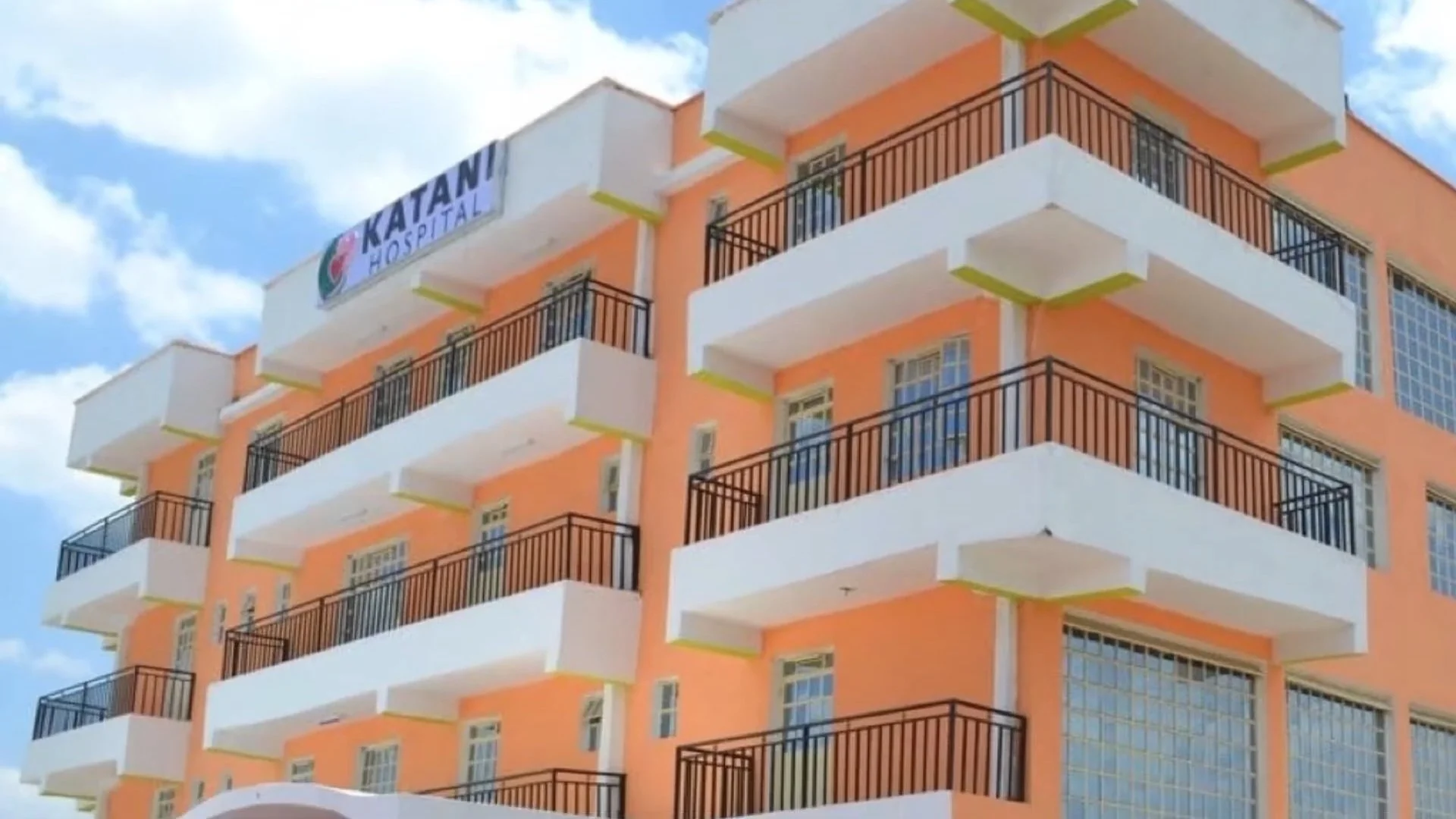
In collaboration with Katani Hospital, located just outside Nairobi, GHM has embarked on a journey to assess and respond to the health needs of one of the region’s most underserved communities. An estimated 59.2% of the population lives on less than $2 per day, far above Kenya’s national poverty average of 37.1%. Together, we are launching a comprehensive community health assessment aimed at understanding the region’s most pressing needs. This will guide our future outreach efforts and help determine the personnel, medical supplies, and equipment required to make a lasting impact.
Dr. Vesonder and the team at Katani Hospital are especially passionate about addressing three critical areas of concern:
Immunization for children under five
Cervical cancer screening for women
HIV testing and prevention
Kenya remains deeply affected by the HIV/AIDS epidemic, with over 1.5 million people living with the virus. Access to early and accurate testing is limited, especially in rural and low-resource settings. While diagnostic technologies have advanced, barriers to accessibility, affordability, and timely treatment continue to fuel the crisis.
Cervical cancer is another urgent issue. It remains the leading cause of cancer-related deaths among women in Africa, yet it is largely preventable. With early screening and affordable treatment, mortality from this disease can be significantly reduced—offering women and families a future of health and stability.
Immunization efforts, particularly for children under five, are vital to prevent the spread of infectious diseases. As Kenya begins to roll out the new malaria vaccine, understanding local immunization rates and access barriers will be key to strengthening compliance and saving young lives.
GHM’s consulting team is currently working alongside Katani Hospital to collect critical data on local demographics, disease burden, immunization rates, and community perceptions regarding screening and health services. These insights will form the foundation for a targeted and effective outreach strategy tailored to the unique needs of this community.
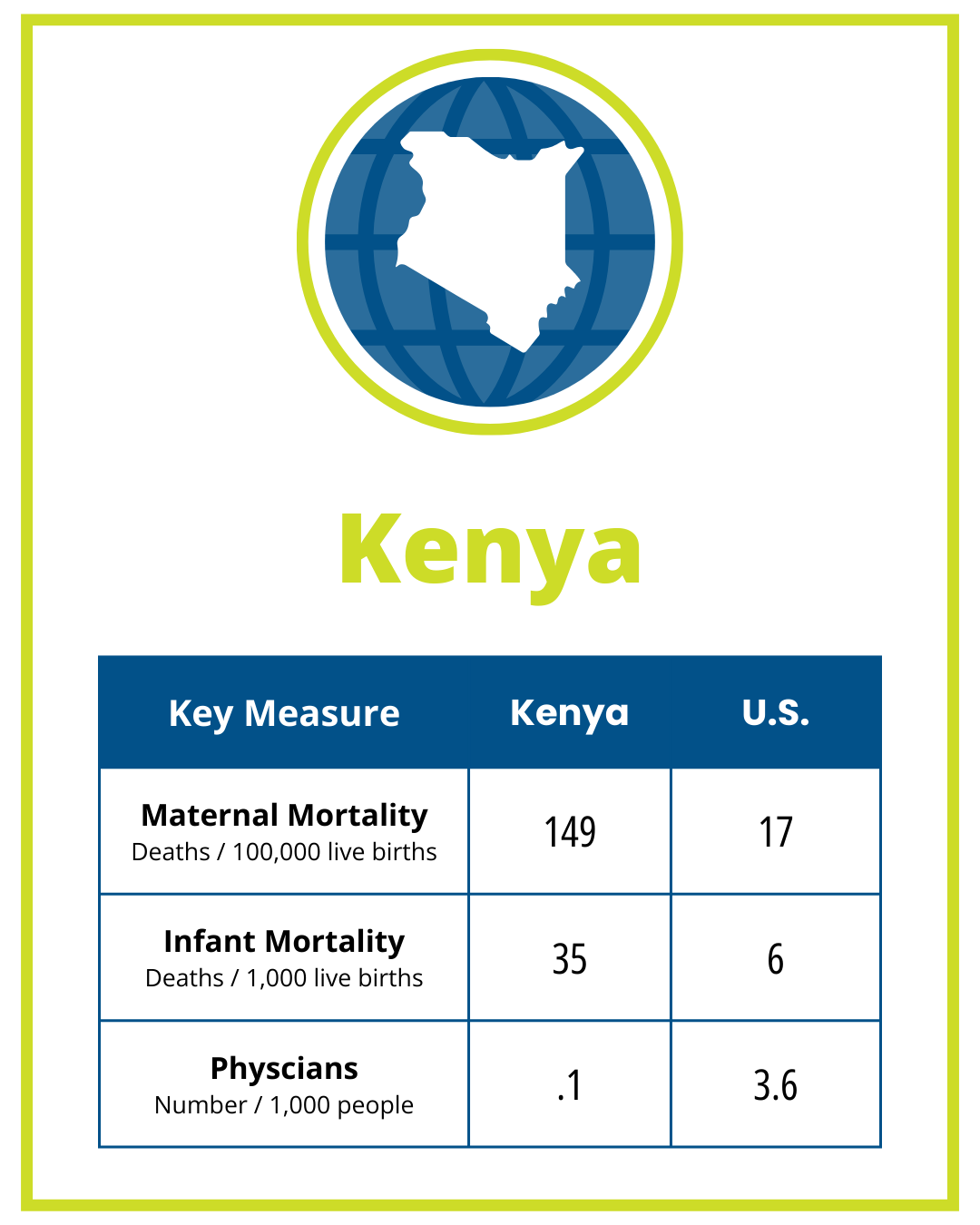
Data from WHO, and The World Bank
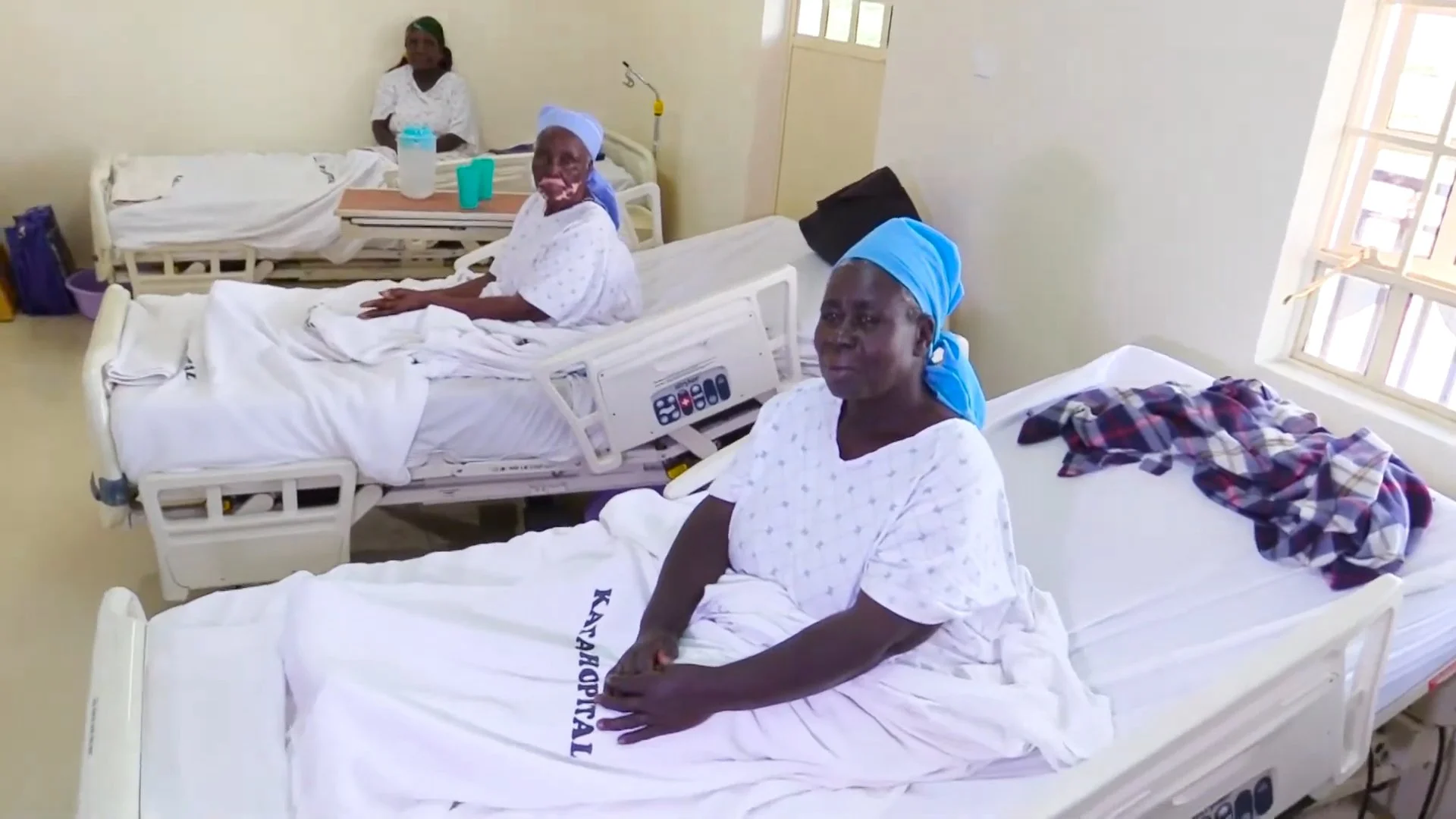
Katani Hospital patients
Meet Dr. Modesta Vesonder
As a young girl growing up in Kenya, Modesta Vesonder dreamed of making a difference — of becoming the very best she could be. That dream eventually led her across the world to the United States, where she pursued a career in nursing. After earning her Bachelor of Science degree, she went on to complete a Master of Science in Nursing in 2007 and served as a Certified Nurse Practitioner, specializing in adult medicine and geriatrics for many years. But even as her career flourished in the U.S., her heart remained in
Dr. Vesonder met Dr. Terrance L. Baker, a physician who shared her conviction that meaningful change often begins with just one — or two — individuals willing to act. Together, they launched a bold initiative to bring primary care and essential medical resources to underserved communities in Kenya.
In 2018, that vision came to life with the opening of Katani Hospital. Strategically located in a region with limited healthcare options and high poverty rates, Katani Hospital quickly became a beacon of hope. The hospital provides care to all patients, regardless of their ability to pay, though this mission-driven approach presents ongoing financial challenges. In May, 2024 Dr. Vesonder earned her Ph.D. in Public Health from Walden University.